Wellness, Actually · May 20, 2026
Do Psychedelics Actually Work for Depression, PTSD, and Addiction? What the Evidence Says
Short answer
Promising, not proven. Psilocybin for depression and MDMA or ibogaine for PTSD show genuinely encouraging results, but the trials are small, short, and hard to blind, so they don't yet overturn standard care. Microdosing doesn't appear to do much, and buying psychedelics on the street is a bad idea on several fronts.
Psychedelic medicine has moved from the fringe into the mainstream, and the marketing is running well ahead of the data. I want to walk through what we actually know, because the headlines are doing a lot of heavy lifting.
What psychedelics actually do to your brain
Three brain functions get scrambled by classic psychedelics like psilocybin, LSD, and MDMA, all of which work on the serotonin 2A receptor. Ketamine is the exception. It is a dissociative anesthetic, not a hallucinogen, and it works on a different receptor.
The first function is reality testing. Your brain constantly checks incoming stimuli against what it knows about the world. That system shuts down during dreaming, which is why a goblin bursting through your door feels normal in a dream. Psychedelics shut it down too. The tree melting in front of you stops being a problem your brain wants to flag.
The second is salience. Your brain tags experiences with a level of meaning so it knows what to remember and what to ignore. Psychedelics crank salience up across the board. A banal moment on the couch suddenly feels enormous, and people often interpret that cognitive dissonance as the presence of something larger than themselves. Notably, the same loss of reality testing plus heightened salience shows up in paranoid schizophrenia, which is why the early psychedelics were called psychotomimetics.
The third, and probably most relevant to therapy, is neuroplasticity. Serotonin 2A activity may increase the brain's ability to form new connections. The leading hypothesis is that the drug shakes things up and the integration work afterward, with a therapist, lets the brain rewire in a better configuration.
The evidence for mental health conditions
Start with PTSD. President Trump recently talked up ibogaine on Joe Rogan, citing an 80% to 90% reduction in depression and anxiety symptoms. The source is a 2024 Nature Medicine paper of 30 male veterans with mild traumatic brain injury treated with magnesium plus ibogaine. The improvements in PTSD, depression, and anxiety scales were genuinely large. About 28 of 30 went from moderate PTSD to minimal PTSD after a single dose. It is also not a randomized trial, there is no control group, and a separate ibogaine PTSD study showed weaker effects. One randomized ibogaine trial exists, and it was a safety study of dose, not efficacy.
Depression has the strongest data. A 2023 JAMA trial randomized 104 adults with major depressive disorder to a single 25 mg dose of psilocybin or 100 mg of niacin as a placebo, with 11 hours of psychological support around the dose. Depression scores dropped by 12 points, a clinically meaningful difference. Sustained response at day 43 was 42% in the psilocybin arm versus 11% in the niacin arm. A separate NEJM trial compared psilocybin head-to-head with a standard SSRI and found no difference in the primary outcome, though some secondary outcomes favored psilocybin. So psilocybin looks roughly comparable to an SSRI, not dramatically better. A single dose with side effects up front may still beat daily pills with chronic side effects for some people.
For anxiety, the data are thinner. A 2016 Journal of Psychopharmacology study of high-dose psilocybin in patients with cancer-related anxiety and depression showed improvements in anxiety, depression, and demoralization. If you are an already anxious person, jumping into an experience where the walls are melting may not be the right first move.
For addiction, ibogaine has open-label data only. A 2018 Frontiers in Pharmacology study of 191 people using opioids or cocaine showed reduced withdrawal symptoms and cravings at one month after a single dose. No randomized trial exists. Psilocybin has better evidence in alcohol use disorder, with randomized data showing a reduction in heavy drinking days versus a diphenhydramine control.
What about healthy people who are just curious?
A recent study gave 28 psychedelic-naive, otherwise healthy adults either 25 mg or 1 mg of psilocybin, then ran EEG and functional MRI a month later. Twenty-seven of 28 rated the high dose as the single most unusual conscious state of their lives. EEG showed an acute drop in alpha power, which is roughly the brain's self-control lid, and a big increase in EEG complexity. One month later, the functional MRI did not show dramatic structural changes, but psychological well-being was significantly higher in the 25 mg group, and people who reported more insight the day after had better well-being a month out.
Whether that means something fundamental changed, or whether it is the afterglow of a memorable experience the way you feel good after a great vacation, the study cannot tell you.
Microdosing, by contrast, looks unimpressive. A true microdose is supposed to be too low to produce psychedelic effects. The data suggest some improvement in well-being on the day of dosing, but it does not persist. That may be a placebo effect, or it may be the rough equivalent of having a glass of wine.
The placebo problem and the safety problem
You cannot really blind a psychedelic trial. People know when the walls are melting. That makes everything harder to interpret, especially for outcomes like depression and PTSD where the placebo effect is itself a brain phenomenon. Researchers have tried niacin, diphenhydramine, and active SSRIs as controls. None of them are perfect.
On safety: these compounds raise blood pressure modestly. People with schizophrenia or a strong family history should not use them. Most of these drugs are Schedule I in the US, which makes them both illegal outside research settings and very hard to study. Ketamine is Schedule III and gets used routinely in clinical medicine, including for setting children's broken bones. Street psychedelics are frequently adulterated. LSD is roughly 1,000 times more potent than psilocybin at the serotonin 2A receptor, and a real dose is the size of a grain of salt, so you are trusting whoever made the blotter paper. Some mushrooms look like other mushrooms, and some of those will kill you.
Bottom line
The mental health data for psychedelics, particularly psilocybin for depression and ibogaine or MDMA for PTSD, are genuinely promising. They are not yet good enough to overturn standard care, and most of the trials are small, short, and hard to blind. Rescheduling these drugs would let researchers run the large, preregistered, randomized trials we need. For healthy adults, the case is curiosity, not Wellness optimization. Microdosing does not appear to do much. And buying psychedelics on the street is a bad idea on multiple fronts.
Here's our discussion from the episode:
I covered this in depth on Wellness, Actually. Listen below.
Frequently asked questions
Is psilocybin better than SSRIs for depression?
Not clearly. A 2023 JAMA trial of 104 adults with major depressive disorder showed a 12-point drop in depression scores after a single 25 mg dose of psilocybin paired with 11 hours of psychological support, with a 42% sustained response rate at day 43 versus 11% for niacin placebo. But a separate NEJM trial comparing psilocybin head-to-head with a standard SSRI found no difference in the primary outcome. The two appear roughly comparable, not dramatically different.
Does ibogaine actually treat PTSD?
The strongest evidence is a 2024 Nature Medicine study of 30 male veterans with mild traumatic brain injury, where about 28 of 30 went from moderate PTSD to minimal PTSD after a single dose of magnesium plus ibogaine. The effect sizes were large, but it was not a randomized trial and had no control group. A second ibogaine PTSD study showed weaker effects, and no true randomized efficacy trial of ibogaine for PTSD exists.
Does microdosing mushrooms work?
The data so far suggest microdosing produces some improvement in well-being on the day a person takes it, but the effect does not persist to the next day and does not appear to last long term. That pattern is consistent with either a placebo effect or something similar to having a glass of wine. There is also no agreed-on definition of what counts as a true microdose.
Are psychedelics safe to take recreationally?
There are real risks. Psychedelics modestly raise blood pressure, and people with schizophrenia or a strong family history should avoid them. Most psychedelics are Schedule I in the US, meaning street supply is illegal and frequently adulterated. LSD is roughly 1,000 times more potent than psilocybin, so dosing errors matter, and some wild mushrooms that resemble psilocybin mushrooms are toxic.
What is the difference between ketamine and classic psychedelics like psilocybin?
Classic psychedelics including psilocybin, LSD, and MDMA work on the serotonin 2A receptor and cause the characteristic loss of reality testing and increased salience. Ketamine is a dissociative anesthetic, works on a different receptor, and produces a feeling of being detached from your body rather than the classic hallucinogenic experience. Ketamine is also Schedule III rather than Schedule I, and is used routinely in clinical medicine, including for children with broken bones.
Why is it so hard to run a placebo-controlled psychedelic trial?
Blinding is nearly impossible because participants can tell when they are having a psychedelic experience. Researchers have tried niacin, which causes flushing, diphenhydramine, and even active SSRIs as comparators, but none fully mimic the subjective experience. That matters because mental health outcomes are themselves influenced by expectation and meaning, which makes separating drug effect from placebo unusually difficult in this field.
Wellness, Actually Podcast
"What's the deal with psychedelics?" — Listen to the full episode, including the week's health news and listener Q&A.
About the author
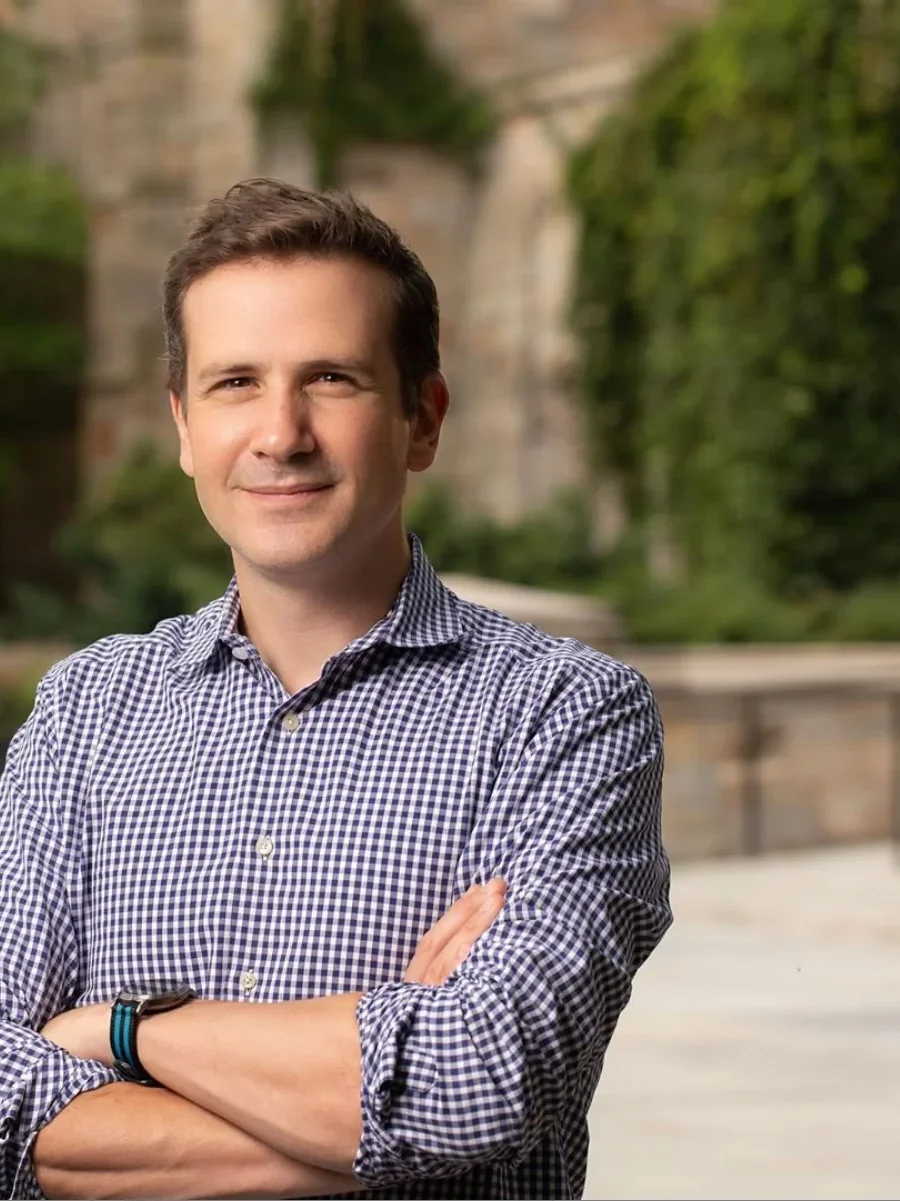
F. Perry Wilson, MD MSCE is a nephrologist, clinical researcher, and Associate Professor of Medicine and Public Health at Yale University, where he directs the Clinical and Translational Research Accelerator. He hosts the Wellness, Actually podcast with Emily Oster, writes the weekly Impact Factor column on Medscape, and is the author of How Medicine Works and When It Doesn't (Grand Central, 2023).