Wellness, Actually · March 26, 2026
Do Stem Cell Injections Actually Work? What the Evidence Says About Regenerative Medicine Clinics
Short answer
No. What regenerative medicine clinics sell as "stem cells" is centrifuged fat or bone marrow containing effectively no stem cells, and the best randomized data show no benefit over saline. Real stem cell therapy is transformative for a small set of serious diseases like sickle cell, and it happens in hospitals under intensive supervision, not in strip-mall clinics.
Stem cells have a real place in medicine. They can cure sickle cell disease. They cannot, despite what your Instagram feed tells you, be harvested from your belly fat in a strip-mall clinic and injected into your face to reverse aging. I want to walk you through the gap between those two things, because it is enormous, and because people are spending tens of thousands of dollars on the wrong end of it.
What a real stem cell therapy looks like
Consider sickle cell disease. There are now two FDA-approved curative therapies, and both use stem cells. The process goes like this: harvest bone marrow from the patient's hip, ship it to a lab, sort the stem cells out of the mix using molecular tagging, culture them until you have millions of them, then gene-edit them. One therapy uses a viral vector to insert a functional hemoglobin gene. The other uses CRISPR-Cas9 to boost fetal hemoglobin. Then the patient gets high-dose chemotherapy to wipe out their existing bone marrow, and the edited cells are infused back in with the hope they engraft and rebuild the blood and immune system from scratch.
That is what a stem cell therapy is. It happens in a hospital. It costs millions of dollars. It is nothing like what happens in a regenerative medicine clinic.
One other thing worth clearing up: the influencers love the word "pluripotent," which means a cell can turn into any cell type. Pluripotent stem cells live in embryos. The cells harvested from adults are multipotent, which means they can turn into a limited set of cell types. Bone marrow stem cells make blood cells. Skin stem cells make skin. Mesenchymal stem cells, which are what most regenerative clinics claim to be using, can turn into bone, cartilage, muscle, and fat. That is the whole list. They do not turn into heart valves. They do not turn into neurons.
What actually happens in a regenerative medicine clinic
The FDA allows doctors to move your own cells from one part of your body to another, as long as they don't manipulate the cells more than minimally. That is the loophole. So in a stem cell clinic, the provider does a small liposuction or bone marrow aspiration, spins the sample in a centrifuge in the back room for about 15 minutes, and injects the result back into you. That's it. No culturing, no sorting, no editing.
Here is the damning part. A 2024 paper in Science Advances took cells harvested and processed exactly this way and counted how many stem cells were actually present. In bone marrow samples, they found about three stem cells. Not three million. Three. About 1.7% of the cells initially looked like stem cells, but on more rigorous testing, essentially all of those turned out to be false positives. In fat-derived samples, they found 0% stem cells.
For reference, a real therapeutic dose of stem cells is roughly 1 to 2 million cells per kilogram of body weight. A 75-kg adult needs something on the order of 75 to 100 million stem cells for treatment. The clinics are selling you three.
The knee evidence, which is the best evidence they have
Knee osteoarthritis is the most-studied use case, and the trial I trust most was published in the British Journal of Sports Medicine. It randomized 120 patients to fat-derived "stem cell" injections or plain saline, blinded and placebo-controlled, and followed them for two years. There was no difference in knee pain at any time point.
Everyone got better. Knees are like that. The placebo effect in knee pain is famously strong, which is why sham arthroscopic surgery performs as well as the real thing in trial after trial. Saline costs three cents. Stem cell injections can run $10,000 or more. Meta-analyses tell the same story: stem cell injections aren't obviously worse than hyaluronic acid or other injected fillers, but they aren't better, and the comparator itself has limited evidence.
For the face, the skin, the wrinkles, the anti-aging claims, there is no good evidence at all. If you inject anything into a wrinkle it fills out temporarily. Mild inflammation from bone marrow or fat aspirate causes some local edema, which smooths the skin for a while. That is not stem cell magic. That is a bruise.
The grift gets dangerous
I want to be specific about why this bothers me more than most wellness nonsense. Red light therapy is silly, but if you spend $300 on a mask and feel good about it, fine. Stem cell clinics are a different category. They charge bone-marrow-transplant prices for saline-equivalent outcomes, and at the far end of the market they prey on desperate people.
When my mother was diagnosed with multiple system atrophy, a rare and untreatable neurodegenerative disease, I did what anyone would do. I went to ClinicalTrials.gov. I found a "trial" of stem cell therapy for MSA. The same protocol listed traumatic brain injury, stroke, ALS, dementia, Lewy body disease, and about a dozen other conditions. No single therapy gets tested on that many diseases at once. The protocol had been open since 2016 and never reported a result. The clinic running it, based in Florida, charges patients around $20,000 to participate. The physician behind it had his Connecticut license revoked. He is still practicing in Florida.
Charging patients to enroll in research is not research. Research exists to generate generalizable knowledge, and participants give their bodies to that effort. When you charge them, and never publish, you are running a medical business with a consent form stapled to the front for liability cover. There are also real harms on record, including a Florida case in which women were blinded in both eyes after stem cell injections done under a "research" protocol. Injecting an experimental agent into both eyes simultaneously is something no legitimate trial would ever do.
Mel Gibson talking on a podcast about his 92-year-old father being reborn by stem cells is compelling television. It is not data. Humans are excellent storytellers, and the narrative works by exaggerating the before and the after. The delta looks miraculous. The underlying biology hasn't changed.
Bottom line
Real stem cell therapies exist, they are transformative for a small set of serious diseases like sickle cell and certain blood cancers, and they happen in hospitals under intensive medical supervision. What regenerative medicine clinics sell under the name "stem cells" is centrifuged fat or bone marrow with effectively zero stem cells in it. The best randomized data show no benefit over saline. The prices are absurd. The downside ranges from wasted money to, in rare cases, serious harm. If a clinic offers you stem cell injections for your knee, your face, your rotator cuff, or your aging, pass.
I covered this in depth on Wellness, Actually, listen below.
Frequently asked questions
Do stem cell injections actually work for knee pain?
The best randomized trial, published in the British Journal of Sports Medicine, compared fat-derived stem cell injections to plain saline in 120 patients with knee osteoarthritis and followed them for two years. There was no difference in knee pain at any time point. Everyone improved, because the placebo effect in knee pain is famously strong. Saline costs three cents; stem cell injections can run $10,000 or more.
How many stem cells are actually in a stem cell injection from a clinic?
A 2024 paper in Science Advances counted the stem cells in samples prepared the way clinics prepare them. Bone marrow samples contained about three stem cells, not three million. Fat-derived samples contained 0% stem cells. A real therapeutic dose is roughly 1 to 2 million cells per kilogram, so a 75-kg adult would need 75 to 100 million stem cells.
How much do stem cell injections cost?
Stem cell injections at regenerative medicine clinics can run $10,000 or more for something like a knee. At the predatory end of the market, clinics charge patients around $20,000 to enroll in open-ended "trials" for conditions like multiple system atrophy, ALS, and dementia. For comparison, real stem cell therapies like the FDA-approved cures for sickle cell disease cost millions of dollars and happen in hospitals.
Are stem cell injections safe?
The downside ranges from wasted money to serious harm. One Florida case involved women who were blinded in both eyes after stem cell injections given under a "research" protocol. Injecting an experimental agent into both eyes simultaneously is something no legitimate trial would do. Some clinics operate under revoked or out-of-state licenses.
What is the difference between pluripotent and multipotent stem cells?
Pluripotent stem cells can turn into any cell type and live in embryos. The cells harvested from adults are multipotent, meaning they can turn into a limited set of cell types. Bone marrow stem cells make blood cells, skin stem cells make skin, and mesenchymal stem cells (the kind regenerative clinics claim to use) can turn into bone, cartilage, muscle, and fat. They do not turn into heart valves or neurons.
Why do stem cell facial injections seem to smooth wrinkles?
There is no good evidence supporting stem cell injections for skin, wrinkles, or anti-aging. If you inject anything into a wrinkle it fills out temporarily, and mild inflammation from bone marrow or fat aspirate causes local edema that smooths the skin for a while. That is not stem cell magic. That is a bruise.
Wellness, Actually Podcast
"What's the deal with stem cell therapy?" — Listen to the full episode, including the week's health news and listener Q&A.
About the author
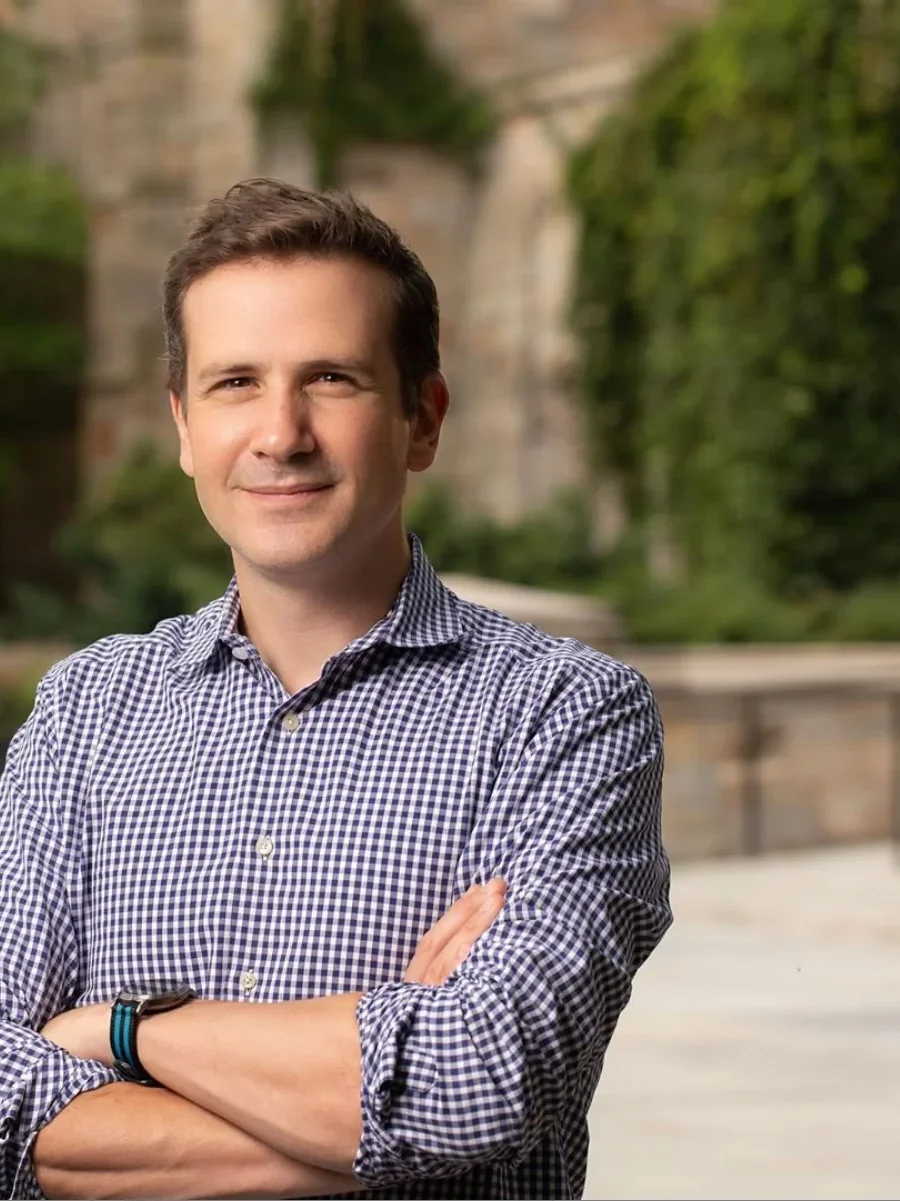
F. Perry Wilson, MD MSCE is a nephrologist, clinical researcher, and Associate Professor of Medicine and Public Health at Yale University, where he directs the Clinical and Translational Research Accelerator. He hosts the Wellness, Actually podcast with Emily Oster, writes the weekly Impact Factor column on Medscape, and is the author of How Medicine Works and When It Doesn't (Grand Central, 2023).