Wellness, Actually · November 12, 2026
Are artificial food dyes actually bad for you?
Short answer
Probably not, at least not in the way the internet says. Red 3 was pulled because huge doses caused thyroid tumors in male rats through a mechanism that doesn't exist in humans, and doesn't even happen in mice. The ADHD link rests largely on the 2007 Southampton trial of about 300 kids, which found small effects with no clean dose-response and sodium benzoate mixed into the dyed juice. And the claim that these dyes are banned in Europe is simply false: the EU allows five of the six dyes in California's school ban.
Red 40 is in my Swedish fish, my tongue is bright red, and according to a large portion of the internet I am poisoning myself. California is phasing dyes out of school meals, the federal government is leaning on manufacturers to drop Red 40 voluntarily, and the claims flying around are big: cancer, ADHD, a chemical assault on children that Europe figured out decades ago.
Most of that is wrong. But the reason it's wrong is more interesting than the usual debunk.
We dye food because color changes how it tastes
Red 40 has no flavor. It does, however, make you think it has a flavor. That's not a metaphor. In a 2010 study in Chemosensory Perception, adding food coloring raised perceived sweetness by roughly 10%. Same drink, more color, sweeter. We eat with our eyes first.
From an evolutionary standpoint this is obvious. The redder strawberry is the riper strawberry. You are built to grab it. Then someone figures out how to build a candy that is redder than any strawberry, and your brain, which is not much more sophisticated than a bird's on this point, goes for it. Biologists call this the supernormal stimulus. Put a slightly oversized fake egg in a nest and the bird will preferentially sit on the fake one, because that's the good egg.
None of this is new. People have been coloring food for centuries. Cheddar gets annatto, a plant dye, so winter cheese looks like the yellower spring stuff from grass-fed cows. And there was a stretch in this country when margarine was legally required to be dyed pink, thanks to dairy lobbying, specifically so it would look less like butter. Which it did.
Where the evidence gets shakier is the claim that color makes you eat more. The famous study here gave moviegoers 10 colors of M&M's instead of seven and reported they ate about 40% more. That paper came from a researcher whose work has been retracted repeatedly, so I'd like it to be true and I don't believe it. Running the other way, a 1982 study in Physiology and Behavior colored chocolates differently and found it barely mattered. The same study varied pasta shapes, and shape moved perceived taste and agreeability far more than color did.
The real-world experiments are mixed too. Trix went to muted natural colors in 2016, everyone knew about it, and sales tanked. Kraft quietly swapped Yellow 5 and 6 for paprika and turmeric and sold 50 million boxes of mac and cheese before telling anyone. The difference may be less about the color than about whether people were told.
The history is worse than the present
If you want to be alarmed about food dyes, go back to the 1850s. The Industrial Revolution meant people were suddenly eating food they hadn't made themselves, bought off a shelf, and sellers wanted it to pop. There was no regulation. Red lead was used as a colorant. So was vermilion, which is mercury sulfide, in cheese and confections. Copper arsenite, a vivid green, was used to recolor used tea leaves for resale. In 1851 in England, dye added to lozenges caused roughly 200 poisonings and 17 deaths.
All of that predates synthetic dyes. The first, mauveine, arrived in 1856, derived from coal tar. That lineage holds: today's artificial dyes are petroleum products, same as plastics and gasoline. Which, if you want to be cute about it, means they come from dinosaurs and are therefore natural. Nobody thinks about it that way.
The regulatory turn came in 1907, when the Pure Food and Drug Act flipped the logic from a list of what's banned to a short list of what's allowed. That's a fundamentally more cautious posture and we've been operating under it for more than a century. Seven artificial colors are currently approved, not the same seven as in 1907.
The bans along the way are less dramatic than they sound. Red 2 was pulled in 1976 because the FDA asked the manufacturer to submit safety studies in rodents and the manufacturer simply didn't. No smoking gun, just an unsubmitted study. The interesting fallout: red M&M's vanished from the bag. Not because they contained Red 2. They didn't. Mars calculated that people would assume they did, so the red ones went away until the panic passed. They came back dyed with Red 40.
The one ban with a real harm signal behind it is Orange 1, pulled after a rash of severe diarrhea from Halloween candy loaded with it in the mid-1950s. The likely mechanism is an absorption problem causing osmotic diarrhea, the Olestra story a few decades early.
Red 3, Red 40, and the ADHD question
Red 3 has to be out of food by regulation in January 2027. It's not in much to begin with: maraschino cherries, some frostings, the orange in candy corn. Almost everything red in your pantry is Red 40.
The reason Red 3 is going is a US rule that anything shown to cause cancer in animals, at any dose, by any mechanism, is banned. In a sense that's a reasonable standard. A food dye has no other reason to be in your diet, so a sharp line on cancer costs you little. In this case, male rats fed enormous doses, not a handful of candies but doses where the dye is a meaningful fraction of the diet, developed thyroid tumors. The mechanism turned out to be rat-specific hormonal biology. It doesn't operate in humans. It doesn't even happen in mice. Red 3 was banned in cosmetics back in 1990 and stayed in food for decades after.
Red 40 is the one under a voluntary HHS phase-out, and it's where the loud claims live. Dyes cause ADHD. Dyes cause autism. Take the dye out and your kid calms down.
Nearly all of that traces to one study. The Southampton trial, published in the Lancet in 2007, gave about 300 school-age children juice in a weekly crossover design: zero dye one week, 25 mg another, 60 mg another. Blinded classroom observers rated behavior. On dye weeks, global hyperactivity scores were slightly but statistically significantly higher.
Credit where it's due, that's a randomized crossover trial in actual classrooms, which is hard to run. The problems are real, though. Three hundred kids isn't many. If the effect were genuine you'd expect a dose-response, more dye, more hyperactivity, and it doesn't hold up. And the dyed juice also contained sodium benzoate, which has separately been linked to behavior, so you can't cleanly assign the effect to the dyes.
Broader meta-analyses point in a similar direction: something small, often hard to distinguish from placebo. Effects frequently show up in parent ratings and not in objective observation. And the trials with the biggest effects are the ones that pre-screened for kids thought to react to dyes. That's an interesting group. It is not the general population.
Then there's the question I keep coming back to: by what mechanism? Nobody has a good answer. There's no established pathway by which these molecules cross the blood-brain barrier and act on neurons. A secondary analysis of the Southampton data found a signal in a histamine degradation gene, which has fed the belief that a genetically susceptible subset of kids exists. That would tidily explain why broad trials fail and pre-screened trials don't. It's plausible. It's not established. And remember that Red 40 and Red 3 are completely different molecules that happen to both be red, so "do dyes cause hyperactivity" isn't even one question.
Here's the part that gets lost. The foods carrying these dyes are candy, cereal, and brightly colored ultra-processed snacks. Energy dense, high in sugar and fat, not good for your kid for reasons that have nothing to do with pigment. "Dye-free" gummy bears are still gummy bears. If you're struggling with your kid's behavior and want to try cutting out dyed foods, go ahead. Placebo is one of the better effects we have. Just don't expect the data to back you up, and don't believe anyone telling you this causes autism or ADHD.
Natural dyes are not obviously better
The dyes leaving the shelves are mostly being replaced, not eliminated. So the live question is whether natural dyes are an improvement.
Start with the word. Oil comes from the ground. Is that natural? Carmine, the natural red, is crushed cochineal insects, little squishy parasitic bugs. They were in the Starbucks strawberry Frappuccino until 2012, removed after vegans objected, and replaced with lycopene from tomatoes. Carmine can cause anaphylaxis. Annatto can cause hives. Many natural dyes are heavily processed, because extracting color from a plant takes solvents like hexane, and people have objections to hexane too.
This is the naturalistic fallacy, the assumption that something from nature is therefore safe. Botulinum toxin is produced by a living bacterium and is gram for gram the most toxic substance on the planet. Opioids come from poppies. Cocaine comes from a leaf. Caramel color is just heated sugar, about as natural as it gets, and the heating generates a compound that causes lung cancer in mice at gigantic doses. I'm not telling you to fear caramel color. I'm pointing out that you can run this argument against almost anything on a label, and which target you pick says more about your priors than about toxicology. The dose makes the poison.
There's also a regulatory asymmetry nobody mentions. The FDA requires batch testing for artificial dyes: every batch of Red 40 gets sampled and tested. Natural dyes don't get that. Once cochineal is approved, anyone can use it and nobody tests the batch.
Natural dyes are also duller and more expensive. Which, if you're an economist, matters.
Bottom line
The claim that these dyes are banned in Europe is false. The EU permits five of the six dyes in California's school ban, the exception being Green 3, and the EU allows some dyes we don't. The two lists overlap heavily without matching, and the same compound often carries different names on each side of the Atlantic. What Europe does have is a warning label, required on foods containing certain dyes, stating the product may have an adverse effect on activity and attention in children. Manufacturers would rather reformulate than put that on a kid's cereal, so in practice EU food uses fewer of these dyes. That label rests largely on the Southampton study. It is not evidence the US has ignored.
So where does that leave me? There's no demonstrated harm at real-world exposures. There's no mechanism. The cancer finding behind the Red 3 ban doesn't apply to humans. And yet I'm a pass on food dyes. Not because they're dangerous, but because I can't muster much enthusiasm for the benefit. Making ultra-processed food look tastier is not a cause I'm prepared to defend. Let them go.
Emily disagrees, and her argument is decent: push this to its logical end and everything gets a little worse for no reason, like the beige half of Pleasantville. Nobody wants beige strawberries in their oatmeal.
One carve-out in my dye-free world: the green M&M's stay. For the record, there is no evidence whatsoever that they make you horny. That was an urban legend that the marketing department happily adopted, which is why the green one is drawn as a vamp.
Here's our discussion from the episode:
I covered this in depth on Wellness, Actually. Listen below.
Frequently asked questions
Are food dyes banned in Europe but allowed in the US?
No. The EU allows five of the six dyes covered by California's school meal ban, with Green 3 the exception, and the EU permits some dyes the US does not. The two approved lists overlap heavily without matching, and the same compound often has different names in each region. What the EU does require is a label on certain dyed foods saying the product may have an adverse effect on activity and attention in children, which is why manufacturers there often reformulate.
Why is Red 3 being banned if it doesn't cause cancer in humans?
A US rule bans any food additive shown to cause cancer in animals at any dose by any mechanism. Male rats fed enormous doses of Red 3 developed thyroid tumors, but the mechanism turned out to be specific to rat hormonal biology. It does not operate in humans and does not even occur in mice. Red 3 must be out of food by January 2027 under that regulation.
Do food dyes cause ADHD or hyperactivity in kids?
The evidence is weak. The 2007 Southampton study in the Lancet gave about 300 school children juice with 0, 25, or 60 mg of dye in a weekly crossover and found small but statistically significant increases in hyperactivity ratings. But there was no clean dose-response, and the dyed juice also contained sodium benzoate, which has independently been linked to behavior. Meta-analyses find small effects that are often hard to separate from placebo, and there is no established mechanism by which these molecules would act on the brain.
Are natural food dyes safer than artificial ones?
Not obviously. Carmine, the natural red made from crushed cochineal insects, can cause anaphylaxis, and annatto can cause hives. Many natural dyes are heavily processed using solvents like hexane. The FDA also requires batch testing of artificial dyes, while natural dyes face no such batch requirement once approved.
Does food coloring actually change how food tastes?
Yes, in perception. A 2010 study in Chemosensory Perception found that adding food coloring increased perceived sweetness by around 10% with nothing else changed. Red 40 itself has no flavor, but it makes you expect one.
Should I cut food dyes out of my kid's diet?
If you want to try it, there's little downside, and placebo is one of the better effects available. But the data don't support it as a reliably effective strategy, and they definitely don't support claims that dyes cause autism or ADHD. The foods carrying these dyes tend to be candy, cereal, and energy-dense snacks that aren't great for kids for reasons unrelated to the pigment.
Wellness, Actually Podcast
"What's the deal with food dyes?" — Listen to the full episode, including the week's health news and listener Q&A.
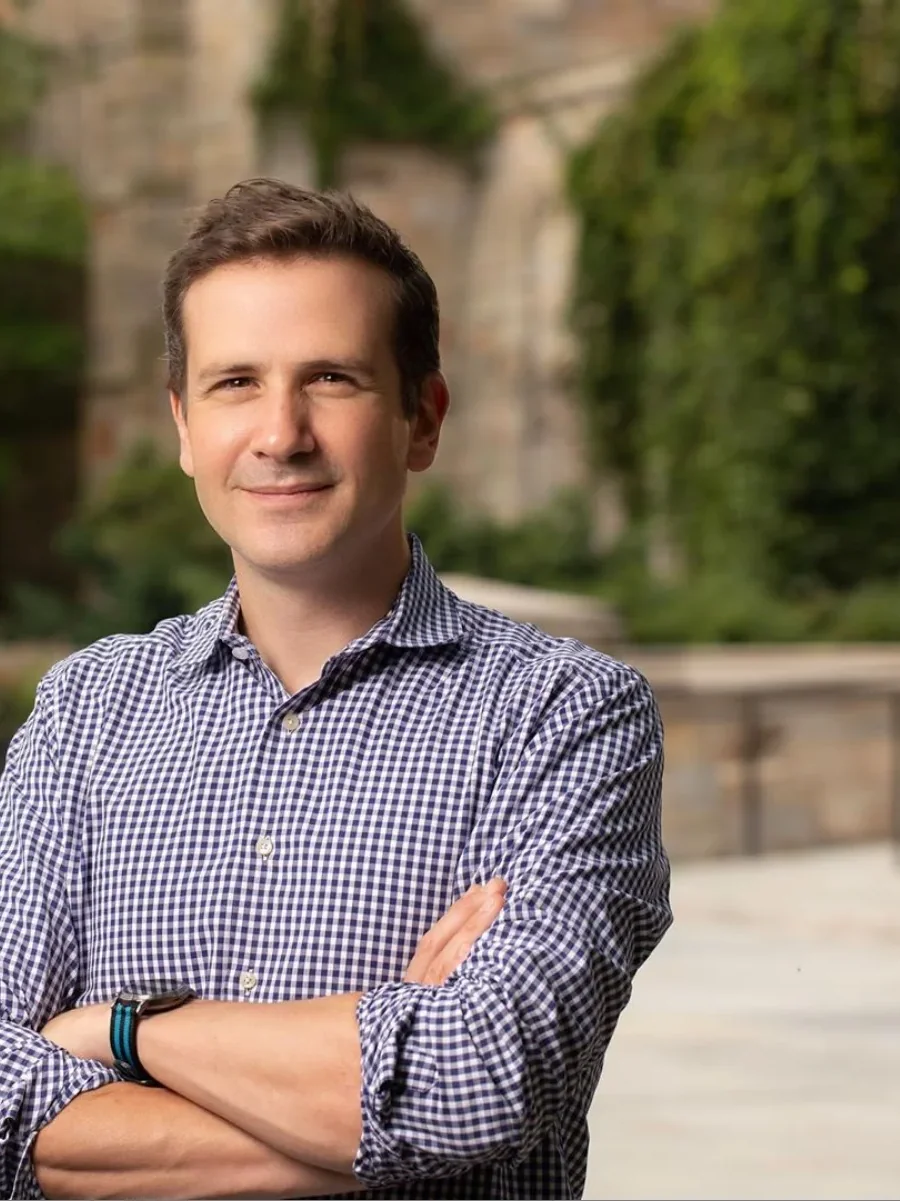
About the author
F. Perry Wilson, MD MSCE is a nephrologist, clinical researcher, and Associate Professor of Medicine and Public Health at Yale University, where he directs the Clinical and Translational Research Accelerator. He hosts the Wellness, Actually podcast with Emily Oster, writes the weekly Impact Factor column on Medscape, and is the author of How Medicine Works and When It Doesn't (Grand Central, 2023).