Wellness, Actually · July 23, 2026
Is one drink a day actually bad for you?
Short answer
One drink a day is a modest risk, not a catastrophe. The clearest harms are blood pressure and sleep, both dose-dependent and small at low intake. The cancer signal is real but modest for moderate drinkers, with breast cancer the one to watch, and the heart-protection story is a myth built on confounding. A reasonable ceiling is two drinks a day.
People keep telling you that every glass of wine is poison. The truth is messier, and the data behind those warnings is weaker than the headlines suggest.
Alcohol has been with us for a long time. The first confirmed fermentation dates to around 7000 BCE. Humans are not even alone in liking it. Chimpanzees, black-handed spider monkeys, African elephants, and tree shrews all seek out fermented fruit. During US Prohibition, doctors wrote an estimated 11 million prescriptions for "medicinal whiskey," treating everything from indigestion to depression, usually for a hefty fee.
So the substance is old, and our relationship with it is complicated. What most people actually want to know is simpler. If you drink a little, is that hurting you?
How alcohol works in your body
Alcohol is close to a Swiss Army knife of recreational drugs. It stimulates the GABA-A receptor, the same one benzodiazepines like Valium hit, which gives that sleepy, funky feeling. It blocks the NMDA receptor, which is what ketamine does, adding a mild dissociative effect. It triggers dopamine release, which is why it feels good. It even releases your own endogenous opioids. And it suppresses vasopressin, which is why you pee so much when you drink.
None of that tells you whether moderate drinking is dangerous. For that you need outcomes data, and this is where things fall apart.
Why the data on light drinking is mostly trash
Two problems poison almost everything you read about moderate drinking.
The first is linear extrapolation. When you fit a straight line across everyone from teetotalers to heavy drinkers, you can create the illusion that a single drink carries a proportional slice of the risk that heavy drinking clearly does. But biology has thresholds. The risk can cluster entirely at the high end. This is the same trick used to claim a chest x-ray carries measurable cancer risk, when that number is really extrapolated down from people who received thousands of times the dose at Hiroshima and Nagasaki. The World Health Organization says no level is safe, and that claim rests heavily on this kind of extrapolation.
The second is plain observational confounding. These studies compare people who drink different amounts and adjust for what they can see, like college and income. They cannot see the thousand small choices that separate a light drinker from an abstainer. Red wine spent two decades as a health food for exactly this reason. The people who drank a glass or two a day were richer and healthier to begin with. When researchers isolated the supposed protective compound, resveratrol, and gave it in a randomized trial, they found nothing.
The guidelines reflect this uncertainty. The 2020 to 2025 US dietary guidelines said one drink a day for women and two for men. The 2026 guidelines just say "less." The American Heart Association lands around two drinks a day as limited risk. The WHO says none.
Cancer, heart, sleep, and the actual signals
On cancer, there is real biologic plausibility. Alcohol is metabolized to acetaldehyde, which damages DNA. But the observational picture is more nuanced than "alcohol causes cancer." A 2015 BMJ study of roughly 200,000 US health professionals found almost no increased cancer risk among non-smokers at reasonable consumption levels. The cancers linked to alcohol mostly sit in the GI tract, where alcohol makes direct contact. The persistent exception is breast cancer in women, a signal that keeps showing up. In that same BMJ data, though, light drinkers were more likely to have had a mammogram, which raises the possibility that some of the extra cancer is just extra screening.
Then there is Mendelian randomization, which uses genetic predisposition to drinking as a stand-in for actual drinking. A 2022 study in Cancer found no link between genetic predisposition to alcohol intake and breast cancer, but did find one for genetic predisposition to problematic drinking. A separate analysis found no link with overall cancer, but signals for head and neck, esophageal, and colorectal cancer, and notably no signal for breast cancer. Read these how you like. They are consistent with a picture where problematic drinking raises cancer risk and low-to-moderate drinking barely moves it. I would not treat them as gospel.
On the heart, one effect is a slam dunk: blood pressure. Randomized trials confirm alcohol raises it. A meta-analysis in the journal Hypertension found about one point of systolic blood pressure per drink per day. That is small, and most of those trials started with people drinking heavily, some averaging 36 drinks a week, and cut them back. If you have high blood pressure, alcohol is not helping. The old J-shaped curve that made one or two drinks look heart-healthy is largely an artifact. Sick people avoid alcohol, which makes non-drinkers look worse than they are. A 2020 Mendelian randomization study in Circulation: Genomic and Precision Medicine found no cardioprotection, some higher stroke and peripheral arterial disease risk, and otherwise weak signals.
Sleep is where the effect is real even at low doses. Alcohol worsens sleep quality, raises resting heart rate by 3 to 4 beats per minute, and suppresses REM sleep through that same GABA mechanism. The best data on sleep and recovery backs this up. It helps you fall asleep, then wakes you at 2 or 3 in the morning as you effectively withdraw.
For mood, be clear about one thing. Alcohol is not a treatment for anxiety or depression. For people with those clinical diagnoses, the evidence points to harm, not benefit.
The one place alcohol actually helps
Alcohol makes parties more fun, and there is decent data on it. A 2012 study in Psychological Science randomized 720 strangers, in groups of three, to alcohol or placebo. The alcohol group reported enhanced positive affect, reduced negative affect, and increased bonding. A 2018 study in Behavior Therapy of 160 participants found that alcohol moderated 7 of 10 associations between social anxiety and healthy social interaction, so that anxiety no longer degraded interaction quality when people drank.
One more study for the athletes. A 2026 paper in Sports Medicine found the observational link between alcohol and death disappeared once you excluded the 20% least active people. I do not buy it. That almost certainly reflects the differences between people who exercise and people who do not, not a protective effect. Exercising does not license you to put vodka in your water bottle.
Bottom line
Alcohol is not broccoli. You cannot frame it as a health food, and the resveratrol dream is dead. But it is also not cocaine at low levels. It is a sometimes food, like Doritos or bacon. The clearest harms are blood pressure and sleep, both dose-dependent and modest at low intake. The cancer signal is real but small for moderate drinkers, with breast cancer the one to watch. Heart protection is a myth built on confounding.
A reasonable ceiling is two drinks a day, above which the sleep and blood pressure effects start to add up. Below that, this is a personal risk-benefit call, and the benefit side is enjoyment and easier socializing, which are real. And this is worth experimenting on yourself. Dry January might make you feel transformed, or, like it did for one of us, nothing at all. That answer is worth knowing.
Here's our discussion from the episode:
I covered this in depth on Wellness, Actually, listen below.
Frequently asked questions
Does one glass of wine a day cause cancer?
The biologic plausibility is real, since alcohol is metabolized to acetaldehyde, which damages DNA. But a 2015 BMJ study of roughly 200,000 US health professionals found almost no increased cancer risk among non-smokers at reasonable drinking levels. The main exception is breast cancer in women, though even there the effect at low intake is small, and it is not the major risk factor for breast cancer.
Is moderate drinking good for your heart?
No. The old J-shaped curve that made one or two drinks look heart-healthy is largely an artifact of confounding, because sick people avoid alcohol and make non-drinkers look worse. A 2020 Mendelian randomization study in Circulation: Genomic and Precision Medicine found no cardioprotection. There is also no good evidence that moderate drinking is bad for the heart, aside from blood pressure.
How much does alcohol raise blood pressure?
Randomized trials confirm alcohol raises blood pressure, but the effect is small. A meta-analysis in the journal Hypertension found about one point of systolic blood pressure per drink per day. Most of those trials started with heavy drinkers, some averaging 36 drinks a week, and cut them back, so the effect of going from one drink to none is less clear.
Why does alcohol make you wake up at night?
Alcohol helps you fall asleep at first but then wakes you around 2 or 3 in the morning as your body effectively goes into withdrawal. It also worsens overall sleep quality, raises resting heart rate by 3 to 4 beats per minute, and suppresses REM sleep through the same GABA mechanism that benzodiazepines use. This happens even in healthy people at relatively low intake.
How many drinks a day is considered safe?
There is no single agreed number. The 2020 to 2025 US dietary guidelines said one drink a day for women and two for men, the 2026 guidelines just say less, the American Heart Association lands around two drinks a day as limited risk, and the WHO says none. A reasonable practical ceiling is two drinks a day, above which sleep and blood pressure effects start to add up.
Does alcohol actually help with social anxiety?
There is decent evidence it eases social interaction, though this is different from treating clinical anxiety. A 2012 study in Psychological Science randomized 720 strangers to alcohol or placebo and found the alcohol group reported more bonding and better mood. A 2018 study in Behavior Therapy found alcohol kept social anxiety from degrading interaction quality in 7 of 10 measures. Alcohol is not a treatment for clinical anxiety or depression, where the evidence points to harm.
Wellness, Actually Podcast
"What's the deal with alcohol?" — Listen to the full episode, including the week's health news and listener Q&A.
About the author
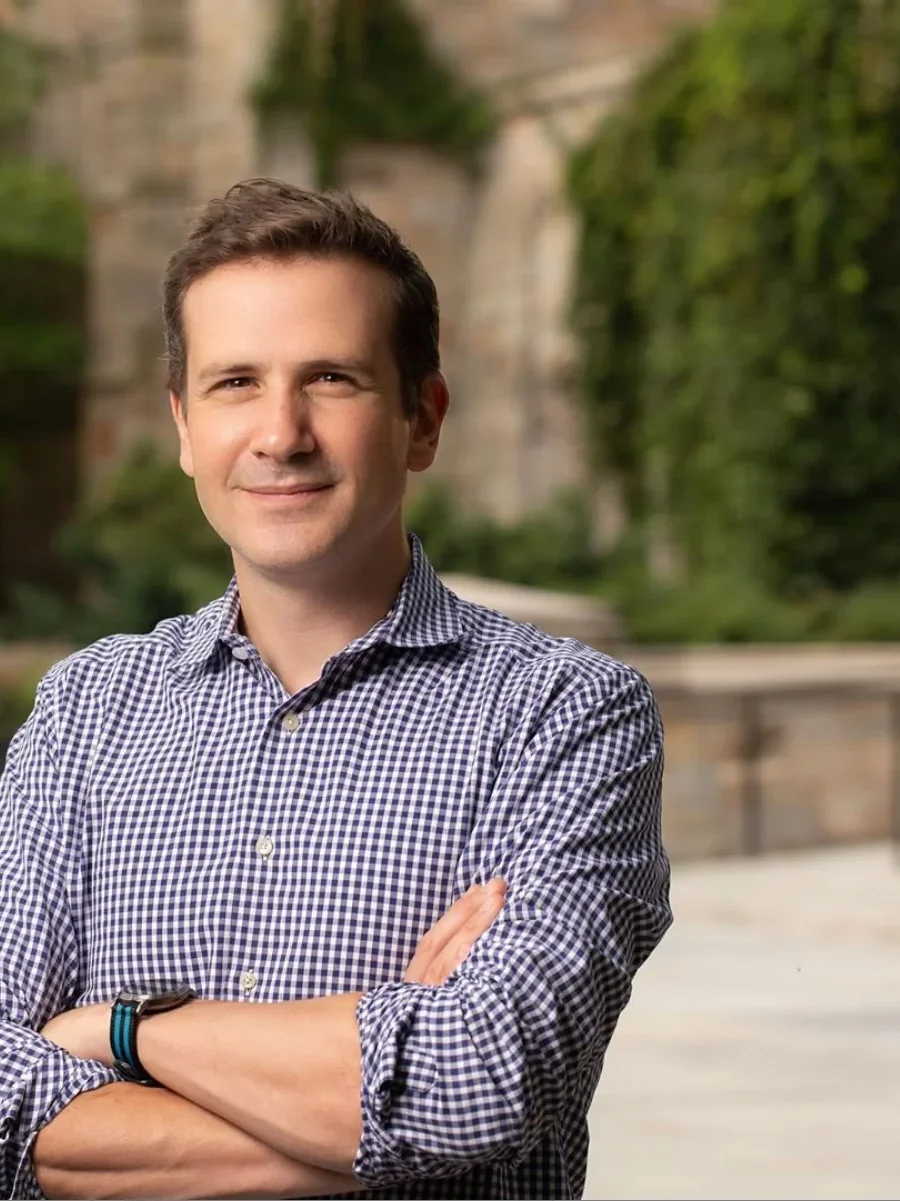
F. Perry Wilson, MD MSCE is a nephrologist, clinical researcher, and Associate Professor of Medicine and Public Health at Yale University, where he directs the Clinical and Translational Research Accelerator. He hosts the Wellness, Actually podcast with Emily Oster, writes the weekly Impact Factor column on Medscape, and is the author of How Medicine Works and When It Doesn't (Grand Central, 2023).